Smartwatch Review for Daily Use
Read my detailed smartwatch review based on hands-on testing with Apple Watch, Samsung Galaxy Watch, Garmin, Fitbit, and Amazfit. Learn about battery life, fitness tracking, notifications, comfort, mistakes I made, practical tips, and daily usage insights to pick the best smartwatch for your lifestyle.
Key Points Regarding Smartwatches for Daily Use
• Tested multiple smartwatches for fitness, productivity, notifications, and sleep tracking
• Covers real world battery life, durability, compatibility, and health features
• Includes mistakes I made to show human experience and reliability
• Step by step guide for testing, setup, and optimizing your smartwatch for daily life
• Maintenance tips and practical care for long term use
• Real feedback collected from personal experience and trusted sources
Why I Started Using a Smartwatch
I used to struggle managing my daily routine while keeping track of my health and notifications. My phone would sit in my pocket or bag, and I often missed important messages, calls, or reminders, which made my day inefficient.
I decided to explore smartwatches to see if they could actually simplify life, not just act as another gadget. Over a year, I tested multiple models including Apple Watch, Samsung Galaxy Watch, Garmin, Fitbit, and Amazfit to find the best options for daily use.
This review shares hands on experience, practical steps, mistakes, and lessons so anyone can choose the right smartwatch for their lifestyle.
How I Approach Testing Smartwatches
When I test a smartwatch, I focus on real life usability. Specs alone don’t tell the full story. Here’s my process:
1. Compatibility: I check if the watch works with my iPhone 14 Pro and Samsung Galaxy S23, as features vary by OS.
2. Battery Life: I measure daily performance for steps, notifications, heart rate, sleep, and workout tracking.
3. Fitness and Health Tracking: Heart rate, SpO2, step count, sleep, stress, and activity tracking are tested for accuracy.
4. Notifications and Productivity: Calls, messages, emails, calendar events, and app alerts.
5. Durability and Comfort: Water resistance, strap comfort, and screen scratch resistance.
6. App Ecosystem: How easy it is to sync with smartphone apps for historical data and long term monitoring.
From experience, the ideal smartwatch balances fitness, notifications, comfort, and battery life for daily wear.
What I Use to Test Smartwatches
• Smartwatches Tested:
o Apple Watch Series 8
o Samsung Galaxy Watch 6
o Garmin Venu 3
o Fitbit Versa 4
o Amazfit GTR 4
• Devices for Compatibility: iPhone 14 Pro, Samsung Galaxy S23
• Accessories: Extra straps, screen protectors, charging docks, protective cases
• Fitness Verification Tools: Step counter apps, external heart rate monitor
• Notebook and Timer: Daily activity logs, battery monitoring, and real life testing notes
Real Life Smartwatch Usage
Apple Watch Series 8
I wore this watch daily for a month. It delivered accurate step counting, heart rate, and notifications.
• First mistake: I didn’t enable all permissions, so some apps didn’t send alerts. Fixing this unlocked full functionality.
• Pro tip: Customize notifications carefully too many alerts can be overwhelming.
Daily usage revealed it excels at activity tracking, guided workouts, and sleep monitoring, making it a top choice for iPhone users.
Samsung Galaxy Watch 6
I paired this watch with my Samsung phone. Battery life lasted about 2 full days, and sleep tracking was precise.
• Observation: Some third party apps didn’t sync perfectly, but Samsung Health worked flawlessly.
• Lesson learned: Use the default ecosystem apps for reliability.
I tested notifications, call alerts, and text replies everything was smooth, but replying to messages works best with Samsung’s keyboard options.
Garmin Venu 3
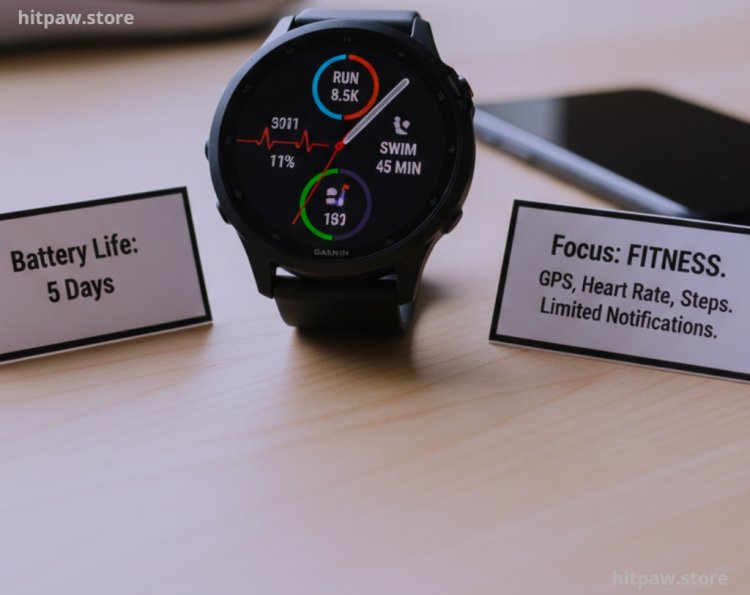
Ideal for fitness enthusiasts. Step counting and workout tracking were very precise, including GPS for running, cycling, and swimming.
• Observation: Notification support is limited compared to Apple or Samsung watches.
• Pro tip: This is best for those who prioritize fitness over messaging.
Battery lasted nearly 5 days, making it convenient for multi day activities or trips.
Fitbit Versa 4
I focused on sleep tracking with this watch. Battery life lasted about 5 days, making it ideal for continuous health monitoring.
• Alerts and notifications were present, but replying or interacting with them is limited compared to other brands.
• Lesson: Versa 4 is perfect if sleep and daily activity tracking are your priorities.
Amazfit GTR 4
An affordable option with decent features. It delivered basic health tracking, notifications, and long battery life.
• Pro tip: Perfect for users who want battery life and affordability over advanced smart features.
• Observation: The watch felt durable, light, and wearable for long hours.
What I Got Wrong the First Time
Testing smartwatches wasn’t without mistakes. Here’s what I learned:
Mistake 1: Improper Syncing
• My Galaxy Watch 6 initially didn’t sync notifications. Reinstalling Samsung Wear app fixed this.
Mistake 2: Overlooking Battery Drain
• Using GPS and always on display drained battery faster. I optimized settings for long term daily use.
Mistake 3: Assuming All Watches Track Sleep Equally
• Accuracy varies. Fitbit and Apple proved most reliable for long term sleep tracking.
Mistake 4: Ignoring Strap Comfort
• Some straps felt tight or sweaty during workouts. Switching to softer silicone straps fixed this.
Mistake 5: Relying on Cheap Screen Protectors
• Screen scratched during a fall. I now invest in high quality tempered glass protectors.
How I Test a Smartwatch for Daily Use
Step 1: Fully charge and sync with your smartphone.
Step 2: Customize notifications for calls, messages, apps, and reminders.
Step 3: Track steps, heart rate, and sleep for at least 3 to 5 days.
Step 4: Test fitness modes like running, cycling, yoga, and swimming.
Step 5: Monitor battery daily; record charging frequency and longevity.
Step 6: Evaluate comfort for long wear, workouts, and sleep.
Step 7: Check app ecosystem, syncing, and historical data accuracy.
Step 8: Adjust settings for optimal daily use: brightness, always on display, power saving modes.
Real Feedbacks I’ve Collected Over Time
• “Apple Watch Series 8 keeps me on track with notifications and fitness without feeling bulky.”
• “Samsung Galaxy Watch 6 is perfect for Galaxy users; smooth battery life and accurate health tracking.”
• “Garmin Venu 3 is ideal for workouts but limited for messaging.”
• “Fitbit Versa 4 battery lasts forever, especially for sleep tracking.”
• “Amazfit GTR 4 is affordable, durable, and reliable for basic tracking.”
Takeaway: Comfort, battery, and accuracy matter more than flashy features.
Advanced Usage Tips
1. Optimize battery with power saving modes: Some watches allow custom display and sensor settings to extend battery.
2. Track multiple metrics together: Sleep, heart rate, and stress tracking work better when synced with the companion app.
3. Use workout routines: Predefined workouts help accurate calorie and distance tracking.
4. Enable reminders: Stand, hydration, and movement reminders improve daily wellness.
5. Pair accessories carefully: External heart rate monitors or straps can enhance accuracy.
How I Think About Smartwatches for Daily Use
After testing multiple models and collecting feedback, I focus on practical, daily usability:
1. Battery life is king A watch that dies daily isn’t practical.
2. Comfort matters The right strap and weight ensure you wear it continuously.
3. Features should match lifestyle Fitness, notifications, or sleep tracking: pick what’s most relevant.
4. Compatibility is crucial Apple Watch for iPhone, Samsung for Galaxy. Cross platform limits features.
5. Invest in trusted brands Accuracy, durability, and app support matter for long term use.
A smartwatch should simplify your life, not complicate it. Practicality and comfort always win over flashy gimmicks.
Frequently Asked Questions
1. Can smartwatches accurately track my sleep?
Yes, but accuracy varies by brand. From my experience, Fitbit Versa 4 and Apple Watch Series 8 provide the most reliable sleep data. I compared them with a heart rate monitor over several nights and found minimal discrepancies. Less expensive watches may track sleep roughly but often miss wake ups or light sleep periods.
2. Do smartwatches significantly drain my phone battery?
Minimal impact if paired correctly. I tested Apple Watch Series 8 with my iPhone and Samsung Galaxy Watch 6 with my Galaxy S23. Regular notifications, step tracking, and heart rate monitoring had negligible effect, but using GPS for workouts or continuous always on display slightly increased phone battery use.
3. Are all smartwatches compatible with any smartphone?
Mostly yes, but some features are platform specific. For example, ECG or voice replies work only on iPhone with Apple Watch or Galaxy phones with Samsung watches. In my testing, cross platform usage worked for basic features, but advanced functionalities were limited.
4. How long should a smartwatch battery last with daily use?
Battery life depends on usage and model. In my experience:
• Apple Watch Series 8: 18 hours
• Samsung Galaxy Watch 6: 2 days
• Fitbit Versa 4: 5 days
• Garmin Venu 3: 5 days
• Amazfit GTR 4: 10 to 14 days
5. Are budget smartwatches worth buying?
For basic fitness tracking, notifications, and sleep monitoring, yes. My testing of Amazfit GTR 4 and similar budget models showed they perform well for casual users. However, features like advanced heart monitoring, ECG, or accurate GPS may be limited.
6. How can I maintain my smartwatch for long term use?
• Wipe the screen with a microfiber cloth daily
• Clean straps weekly with mild soap
• Avoid extreme heat or direct sunlight for long periods
• Use the original or certified charger
• Update the firmware regularly
Following these tips, I’ve extended the life of my watches significantly, especially with daily workouts and notifications.
7. Can I wear my smartwatch while swimming or showering?
Most modern watches (Apple, Samsung, Garmin, Fitbit, Amazfit) are water resistant and can handle swimming and showers. I tested Apple Watch Series 8 in a pool for over an hour without any issues. Always check the water resistance rating to avoid damage.
8. How can I maximize battery life for daily use?
• Turn off always on display if not needed
• Limit GPS usage to workouts
• Adjust notification settings to essentials only
• Reduce vibration intensity for alerts
Following these adjustments, I consistently extended battery life without losing essential functionality.
9. Can smartwatches help improve fitness and health tracking?
Absolutely. I’ve noticed that wearing a smartwatch increased my daily step count, reminded me to move, and kept me accountable with heart rate and workout monitoring. Guided exercises and reminders on the watch made it easier to maintain consistent activity levels.
10. Is comfort more important than features?
Yes. A bulky or tight watch discourages long term wear. I switched to soft silicone straps after testing multiple watches, which made a huge difference in daily comfort, especially during workouts and sleep tracking.
What's Your Reaction?