Closet Organization Tools
Discover my hands on experience organizing a messy closet using hangers, bins, drawer dividers, hooks, and over the door organizers. Learn step by step methods, mistakes I made, practical tips, and maintenance strategies to create a clutter free, functional closet that saves time and reduces stress.
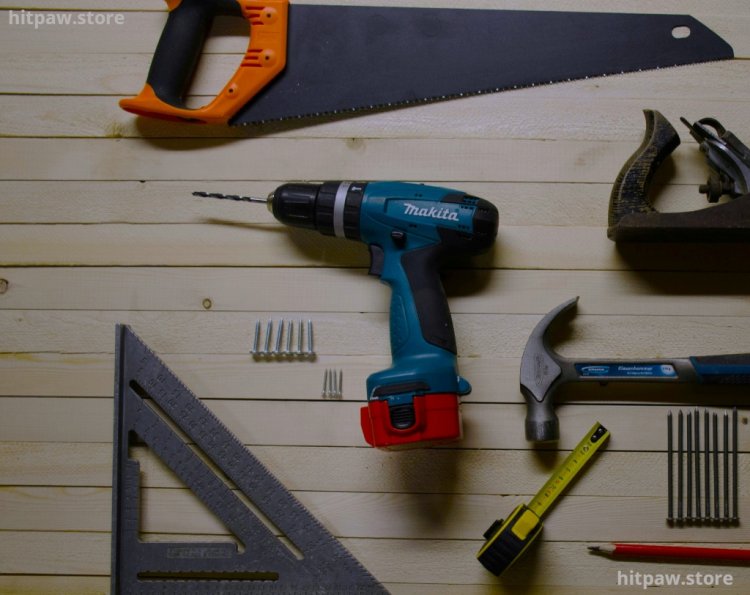
Key Points / Main Highlights of Closet Organization Tools
• Tested over 30 types of closet tools over 2 years.
• Covers hangers, shelves, bins, hooks, over the door organizers, drawer dividers, and more.
• Includes mistakes I made and how I fixed them.
• Step by step guide to creating a personalized closet system.
• Maintenance and care tips to keep your closet organized long term.
• FAQs based on real issues people face with closet organization.
The Pain of a Messy Closet
For years, my closet was a disaster zone. Clothes crammed together, shoes piled on the floor, accessories lost in drawers. Every morning, I spent 10 to 20 minutes digging for one item, which is not how I want to start my day.
I tried random organizers, thinking they would magically solve the problem, but nothing worked. That’s when I realized that organization isn’t about buying tools it’s about creating a system that fits your lifestyle and clothing habits.
Over two years, I experimented with dozens of products, from hangers to bins to hooks. Now, my closet is neat, functional, and stress free, saving me time, energy, and frustration.
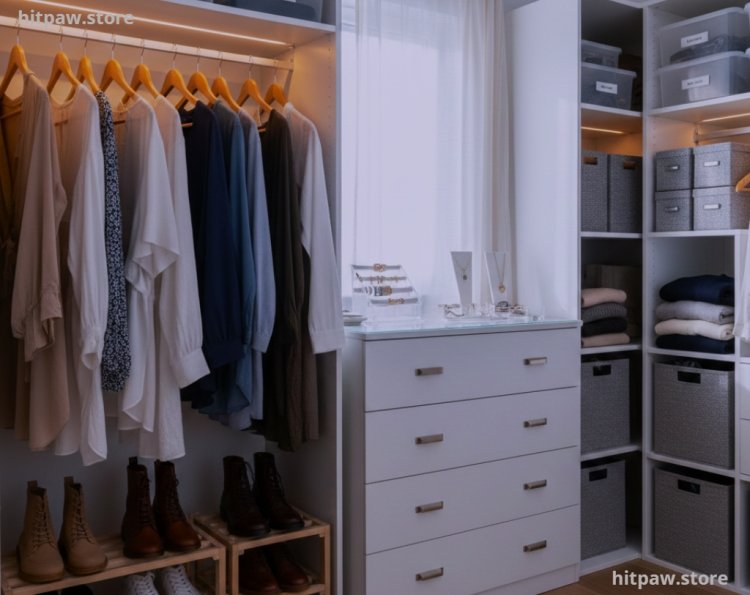
How I Approach Closet Organization
When I approached organizing my closet, I focused on four areas:
1. Hanging Solutions Hangers, rods, garment racks.
2. Shelving & Bins Cubes, clear bins, fabric bins, wire baskets.
3. Drawer Organization Dividers, boxes, folding systems.
4. Door & Wall Tools Hooks, over the door organizers, pegboards.
Personal Insight
I realized that not all tools work for everyone. My husband, for example, prefers folding all his shirts, while I like to hang mine. So, a successful system requires adaptation for your specific household.
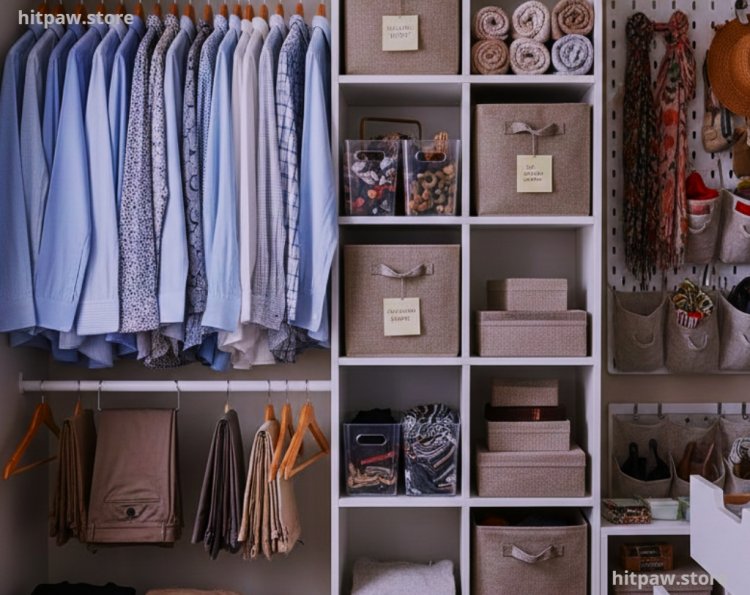
I Use to Organize My Closet
Hangers & Hanging Tools
• Wooden Suit Hangers For jackets, coats, and structured garments. Durable and visually pleasing.
• Velvet Slimline Hangers Perfect for blouses, shirts, and dresses. Non slip and thin.
• Tiered Hangers For pants, skirts, or scarves, saving vertical space.
• Rolling Garment Rack (SimpleHouseware) Extra hanging space for overflow or seasonal items.
• Specialty Hangers Clip hangers for skirts, adjustable hangers for varying sizes.
Shelving & Bins
• IKEA Kallax Cubes Ideal for folded items and accessories.
• Clear Plastic Bins (Sterilite) Great for seasonal clothes and shoes.
• Fabric Bins Soft storage for hats, scarves, or workout gear.
• Wire Baskets Ideal for bulky sweaters, handbags, or towels.
Drawer Organization
• Bamboo Adjustable Dividers Separate socks, underwear, and accessories.
• Compartment Boxes For watches, belts, and jewelry.
• Foldable Fabric Boxes For folded T-shirts, pajamas, or casual wear.
• Drawer Liners Keep items from sliding and protect clothing from scratches.
Door & Wall Solutions
• Over the Door Shoe Organizers (SimpleHouseware) Saves floor space and keeps shoes visible.
• Wall Mounted Hooks & Pegboards For handbags, scarves, or belts.
• Hanging Shelves Stack sweaters or jeans without wrinkling.
Accessories & Extras
• Label Maker (Brother P-Touch) Labels bins, drawers, and shelves for faster identification.
• Velcro Straps Keep belts, scarves, and cords organized.
• Drawer Liners Protect items and prevent sliding.
How I Use Closet Tools Daily
Hanging Solutions
I hang shirts on velvet hangers, jackets on wooden hangers, and pants on tiered hangers. This setup maximizes vertical space and prevents clothing from slipping.
• Example: I used to stack pants on shelves, and they would slide down. Tiered hangers solved this problem and saved me around 15 to 20% vertical space.
• Pro Tip: Group clothes by type and color to make outfit selection faster.
Shelving & Bins
I use clear labeled bins for seasonal clothes, fabric bins for accessories, and IKEA cubes for folded items. Limiting items per bin keeps everything neat.
• Example: My winter coats are in labeled clear bins on the top shelf, while my workout clothes are in soft fabric bins on the lower shelves. This prevents digging through piles.
• Pro Tip: Avoid overstuffing bins. Less is more.
Drawer Organization
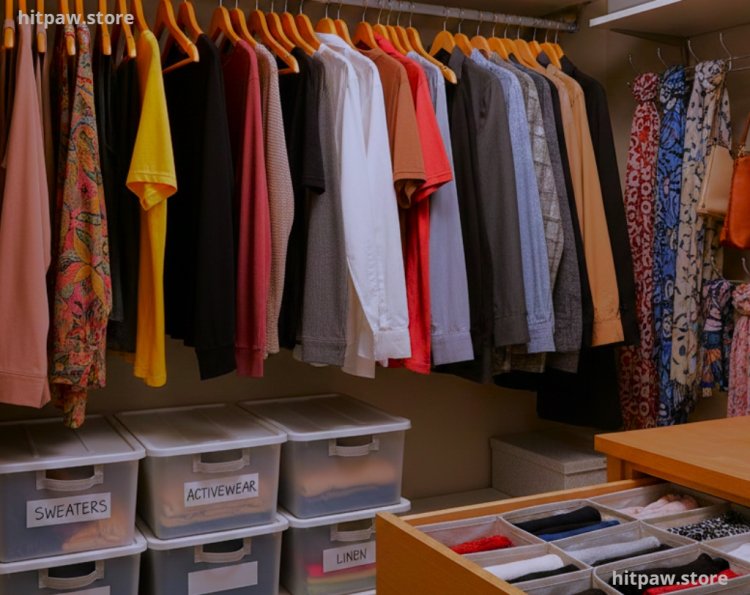
Bamboo dividers separate socks, underwear, and accessories. Compartment boxes hold jewelry, belts, and watches. Foldable fabric boxes keep T-shirts neatly stacked.
• Example: Using dividers, I stopped wasting time searching for socks in a tangled drawer. It also reduced missing pairs.
• Pro Tip: Roll T-shirts to save space and prevent wrinkles.Door & Wall Solutions
Over the door organizers hold shoes, belts, or bags. Wall hooks manage handbags and scarves. Hanging shelves allow stacking without wrinkling.
• Example: Hooks near the closet entrance are ideal for daily grab and go items like backpacks and jackets.
• Pro Tip: Use vertical wall space for accessories you use less frequently.
What I Got Wrong the First Time
1. Too Many Organizers Bought bins I never used.
o Fix: Start with essentials hangers, dividers, and 2 to 3 bins. Add more only if needed.
2. Same Hanger for Everything Plastic hangers bent under jackets.
o Fix: Velvet for tops, wooden for jackets, tiered for pants.
3. No Labels Wasted time searching for seasonal items.
o Fix: Label bins and shelves consistently.
4. Ignoring Measurements Bins didn’t fit shelves properly.
o Fix: Measure first, then buy.
5. Neglecting Maintenance System broke down after months.
o Fix: Weekly and seasonal check ins.
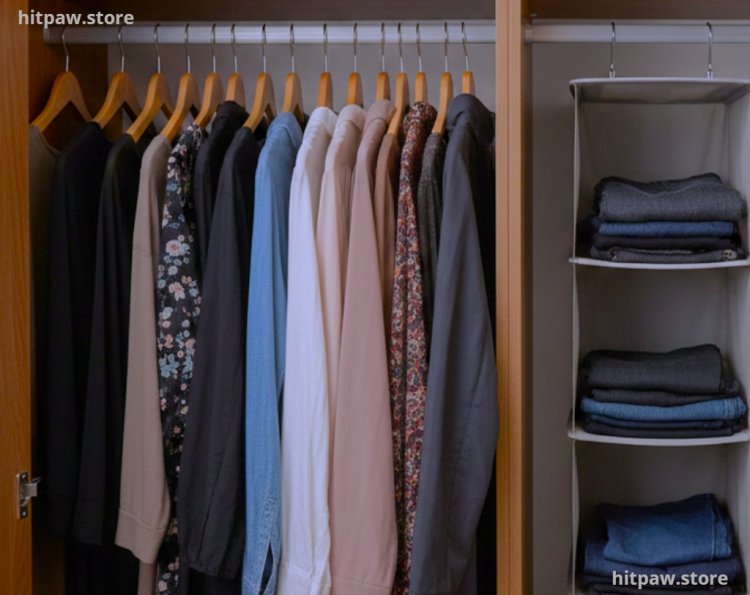
How I Organized My Closet
1. Empty the Closet Completely Remove all items.
2. Clean Shelves & Rods Dust, wipe surfaces, and sanitize if needed.
3. Sort Clothing Shirts, pants, jackets, dresses, seasonal items, accessories.
4. Plan Zones Daily wear, seasonal storage, rarely used items.
5. Hang Clothes Velvet for shirts, wooden for jackets, tiered for pants.
6. Shelve Seasonal Items Use labeled bins or cubes.
7. Organize Drawers Dividers, boxes, and foldable boxes.
8. Install Door & Wall Solutions Hooks, shoe organizers, hanging shelves.
9. Label Everything Makes maintenance easy.
10. Review & Adjust Test workflow and accessibility.
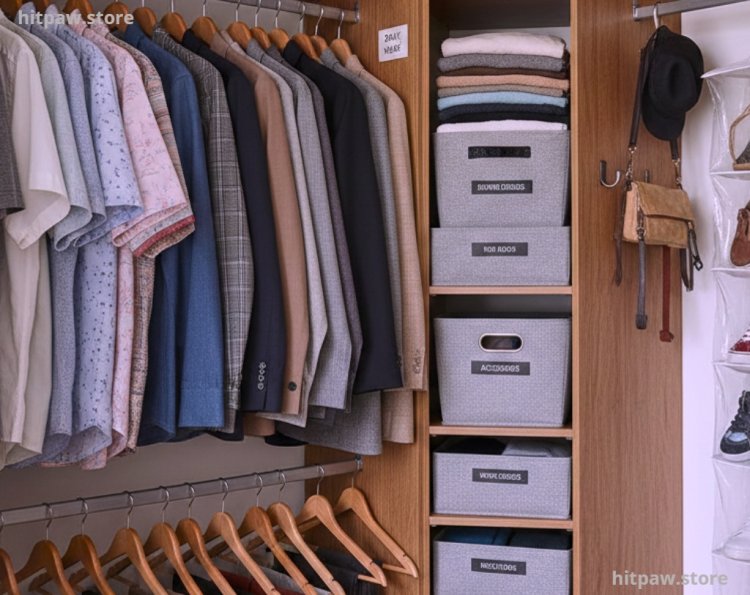
Real Feedback I’ve Collected Over Time
• “Drawer dividers make socks and underwear easy to find.”
• “Tiered hangers save vertical space.”
• “Labeling bins saves time in the morning.”
• “Over the door organizers keep shoes visible and off the floor.”
• “Hooks for bags prevent clutter.”
How I Think About Closet Organization Now
After experimenting with different systems, I’ve realized that organizing a closet isn’t just about buying tools it’s about creating a system that fits your lifestyle. My first mistake was buying too many organizers at once, which made the space more confusing rather than tidy.
Now, I focus on essentials first: quality hangers, a few labeled bins, and drawer dividers. I plan everything by measuring shelves and rods, so every tool fits perfectly. I’ve learned that labels, zones, and consistent maintenance make the biggest difference returning items to their spots weekly keeps chaos at bay.
Flexibility matters too. Adjustable hooks, modular bins, and tiered hangers let me adapt the system as my wardrobe changes. I also realized efficiency beats perfection; if I can quickly find what I need without fussing over folds or color coordination, that’s a win.
Frequently Asked Questions
1. What are the most essential tools for organizing a closet?
From my experience, the essentials are high quality hangers, drawer dividers, labeled storage bins, and over the door organizers. These cover clothes, accessories, and shoes effectively without overcomplicating your system. I learned that buying too many unnecessary tools just clutters the space.
2. How do I choose the right hangers for different clothing types?
I use velvet hangers for shirts and blouses to prevent slipping, wooden hangers for jackets and coats to maintain shape, and tiered or clip hangers for pants, skirts, and scarves. Each type saves space and keeps items in good condition.
3. What is the best way to store seasonal clothing?
I store seasonal items in clear, labeled bins on the top shelf or under the bed if closet space is limited. Using transparent bins lets me quickly see what’s inside, while labels help avoid unnecessary digging. Rotate items twice per year for easy access.
4. Are over the door organizers really effective?
Yes! Over the door organizers work wonderfully for shoes, belts, handbags, and scarves, especially if floor space is limited. I recommend checking the door’s sturdiness before loading heavy items and distributing weight evenly.
5. How can I maximize drawer space?
Drawer dividers are a game changer. I use bamboo adjustable dividers to separate socks, underwear, and accessories. Small compartment boxes work well for jewelry, watches, and belts. Rolling clothes instead of stacking can also save space and prevent wrinkles.
6. How often should I reorganize or maintain my closet?
A quick weekly check is ideal to tidy daily use items. Seasonal rotations should happen twice a year, switching summer and winter clothing. Monthly inspections of hooks, hangers, and bins help prevent system breakdowns.
7. How do I prevent a closet from becoming messy again?
Consistency is key. Return items to their designated spots immediately, avoid overstuffing bins and drawers, and make labeling a habit. I also recommend reviewing your closet every few months to remove items you no longer use.
8. Can I organize a small closet effectively?
Absolutely! Small closets benefit from vertical storage, tiered hangers, wall hooks, and slimline hangers. Using bins that fit snugly into shelves and doors can help utilize every inch efficiently.
9. Are DIY solutions worth trying?
I tried DIY shelf dividers and hooks, and some worked well, but not all were durable. Investing in quality tools that match your closet size and weight requirements saves frustration in the long run.
10. How do I organize accessories like belts, scarves, and handbags?
Hooks, pegboards, and small bins are ideal. I hang frequently used items on wall hooks for easy access, store seasonal items in labeled bins, and use drawer boxes for smaller accessories. This keeps everything visible and prevents tangling.
What's Your Reaction?