Desk Accessories Reviewed
Discover practical desk accessories I personally tested to improve workflow, reduce clutter, and increase efficiency. Tips, step by step guidance, and real life feedback included.
Main Highlights Regarding Desk Accessories for Better Workflow
Selecting the right desk accessories transformed my daily workflow.
Practical accessories can reduce clutter, improve focus, and boost efficiency.
Testing and reviewing each item myself helped me pick only the most useful tools.
Presentation, placement, and ergonomics matter as much as the accessory itself.
How I Transformed My Workflow With the Right Desk Accessories
I’ve always struggled to maintain focus while working at my desk. Papers piled up, cords tangled everywhere, and finding my pens was like a treasure hunt. Over time, I realized that the right desk accessories could completely change the way I work. It wasn’t about buying the fanciest gadgets it was about choosing items that truly added value to my daily workflow.
This blog is my personal guide, based on tools I tested, mistakes I made, and the lessons I learned along the way. Whether you’re a student, freelancer, or office professional, these reviews and tips will help you pick the best desk accessories for efficiency and comfort.
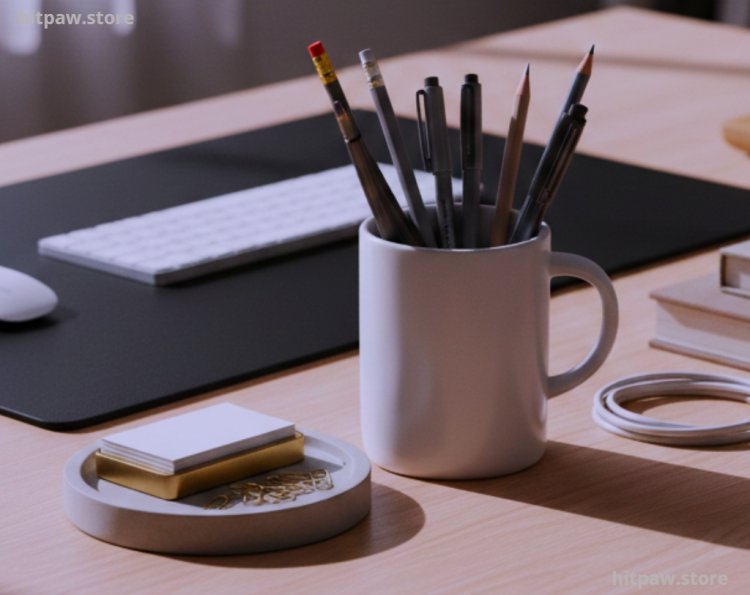
My Desk Accessory Journey
I started small. My first purchase was a basic desk organizer it seemed simple enough, but I quickly learned that size, layout, and material mattered a lot. Over the years, I experimented with cable organizers, ergonomic mouse pads, monitor stands, and smart gadgets. Some worked perfectly, while others added clutter or frustration.
Materials I Used
Here’s a list of the main desk accessories I tested:
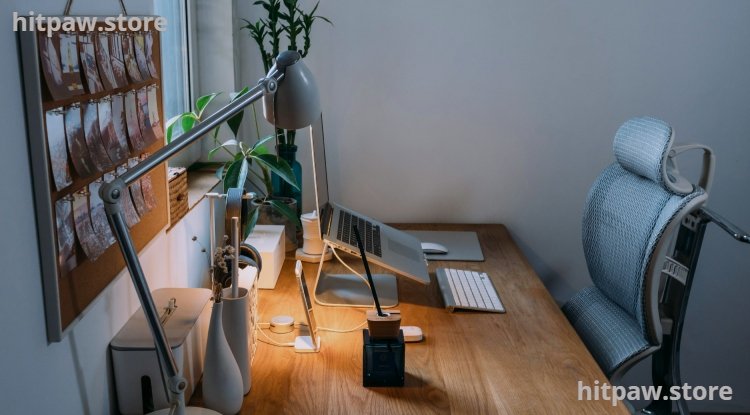
Desk Organizer Tray I chose a wooden one, 12×8 inches, because it’s sturdy and resists scratches better than plastic.
Cable Management Clips Small silicone clips that keep charging cables untangled.
Ergonomic Mouse Pad with Wrist Support Reduces strain during long hours.
Monitor Stand Riser Adjustable, sturdy metal with storage underneath.
Smart Desk Lamp LED lamp with adjustable brightness and color temperature.
Whiteboard Planner Magnetic, mounted behind the monitor to track daily tasks.
Pen Holder Stainless steel, compact yet deep enough for markers and pens.
Notebook & Sticky Notes Always kept on the right side for quick notes.
Step by Step Guide to Selecting Desk Accessories
Step 1: Identify Your Pain Points
I started by noting everything that slowed me down: tangled cables, lost pens, poor lighting, and uncomfortable posture. Listing problems first makes it easier to choose accessories that solve them.
Step 2: Prioritize Necessity Over Style
I learned the hard way that flashy items aren’t always useful. A fancy pen stand that wobbled constantly was removed after a week. I now always check whether an accessory is practical before buying.
Step 3: Evaluate Practicality
Each item must be genuinely useful. A gadget might look cool but if it’s complicated or rarely used, I skip it. For example, I avoided smart speakers that duplicated tasks my phone already did.
Step 4: Test & Validate
Whenever possible, I test products myself. One time, I bought a smart notebook. Initially, it had connectivity issues with my tablet. I returned it and opted for a better tested version that integrated seamlessly.
Step 5: Presentation Matters
Even the best accessory feels ordinary if it’s poorly presented. I started using personalized trays, neat cable arrangements, and thoughtful placement for everything I keep on my desk.
Practical Examples
Here’s what I learned from actually using these accessories in my daily workflow:
Desk Organizer Tray: The wooden tray keeps documents, pens, and small gadgets in one place. My favorite part is the shallow top section for sticky notes and USB drives.
Cable Management Clips: These are lifesavers. I no longer untangle chargers every day, and my desk looks neat.
Ergonomic Mouse Pad: My wrist pain reduced significantly within a week. Comfort is worth the small investment.
Monitor Stand: Raising my monitor to eye level improved my posture and neck pain. The storage under the stand also helped me keep notebooks out of sight but within reach.
Smart Lamp: Adjustable lighting helped reduce eye strain, especially during late night work sessions.
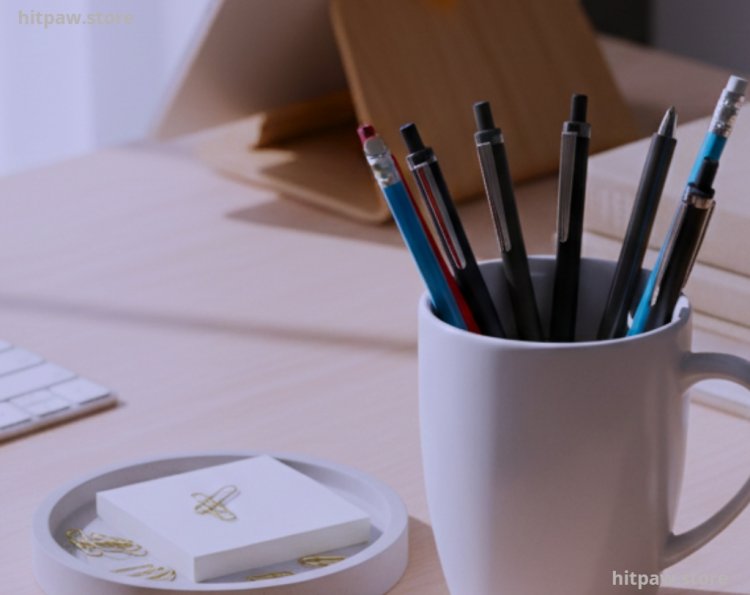
Real Feedback from Others:
I shared my setup with colleagues and friends. Many said they had tried fancy gadgets that didn’t help at all. They appreciated the simplicity and practicality of my choices. Some even asked for links to purchase similar items.
What I Got Wrong the First Time
Not every accessory was perfect initially. I bought a multi tier plastic organizer for documents it looked great but was too small for all my paperwork. Papers kept falling off, creating more clutter.
How I Fixed It
I replaced it with a sturdy wooden tray that fit all my documents and small gadgets. The tray’s compartments were well designed, preventing items from overlapping and causing a mess.
Another mistake was overloading my desk with too many gadgets. I realized less is more; too many accessories made the workspace cramped and distracting. Now I keep only what I use daily on my desk, storing extras elsewhere.
Tips From My Experience
Invest in quality over quantity cheap organizers break easily.
Keep only what you use daily on your desk.
Test items for ergonomics comfort is as important as functionality.
Use personalized arrangements placement affects how efficiently you reach and use each accessory.
Care Tips
|
Accessory |
Maintenance Tips |
Frequency |
|
Wooden Desk Tray |
Dust with microfiber cloth |
Weekly |
|
Cable Clips |
Check clips for wear |
Monthly |
|
Mouse Pad |
Clean with mild soap & water |
Bi-weekly |
|
Monitor Stand |
Wipe metal surfaces |
Weekly |
|
Smart Lamp |
Dust LED panel carefully |
Weekly |
Final Considerations
From my experience, the right desk accessories can transform your workspace and improve productivity more than you might expect. Simple items like a sturdy monitor stand, a reliable cable organizer, and a comfortable mouse pad have made my workflow smoother and less stressful.
I also learned that quality over quantity matters buying a few well chosen tools is far more effective than cluttering your desk with every gadget available. Testing each item, paying attention to ergonomics, and organizing thoughtfully made the biggest difference in my daily routine.
Ultimately, improving your workflow is a personal journey. What works for me may need slight adjustments for your setup, but focusing on functionality, comfort, and efficiency will always pay off.
FAQs Desk Accessories Reviewed for Better Workflow
1. Which desk accessories truly improve productivity?
Based on my experience, items like a sturdy desk organizer, ergonomic mouse pad, monitor stand, and cable management tools make the biggest difference. They keep essentials within reach and reduce distractions.
2. Are smart gadgets necessary for every desk?
Not always. I found that smart lamps or smart notebooks are helpful only if they solve a real problem. Otherwise, simplicity often works better.
3. How do I choose the right size for organizers?
Measure your workspace first. My first tray was too small, and papers kept falling off. The right size should hold all daily use items without creating clutter.
4. Can desk accessories help with posture?
Yes. I used a monitor riser and ergonomic mouse pad, which significantly reduced my neck and wrist strain. Correct placement is as important as the accessory itself.
5. How do I maintain desk accessories?
Dust trays and organizers weekly, clean mouse pads bi-weekly, and check cable clips for wear monthly. Maintenance keeps them functional and prolongs lifespan.
6. Should I over accessorize my desk?
Avoid it. Too many gadgets create distraction. Keep only what you use daily on your desk, and store extras elsewhere.
7. How do I prevent clutter from returning?
I recommend a daily routine: return each item to its place after use and remove unnecessary objects at the end of the day.
8. Are premium accessories worth the investment?
Yes. I learned that quality matters cheap items often break or don’t function well, while sturdy, well designed accessories last longer and improve workflow.
What's Your Reaction?